
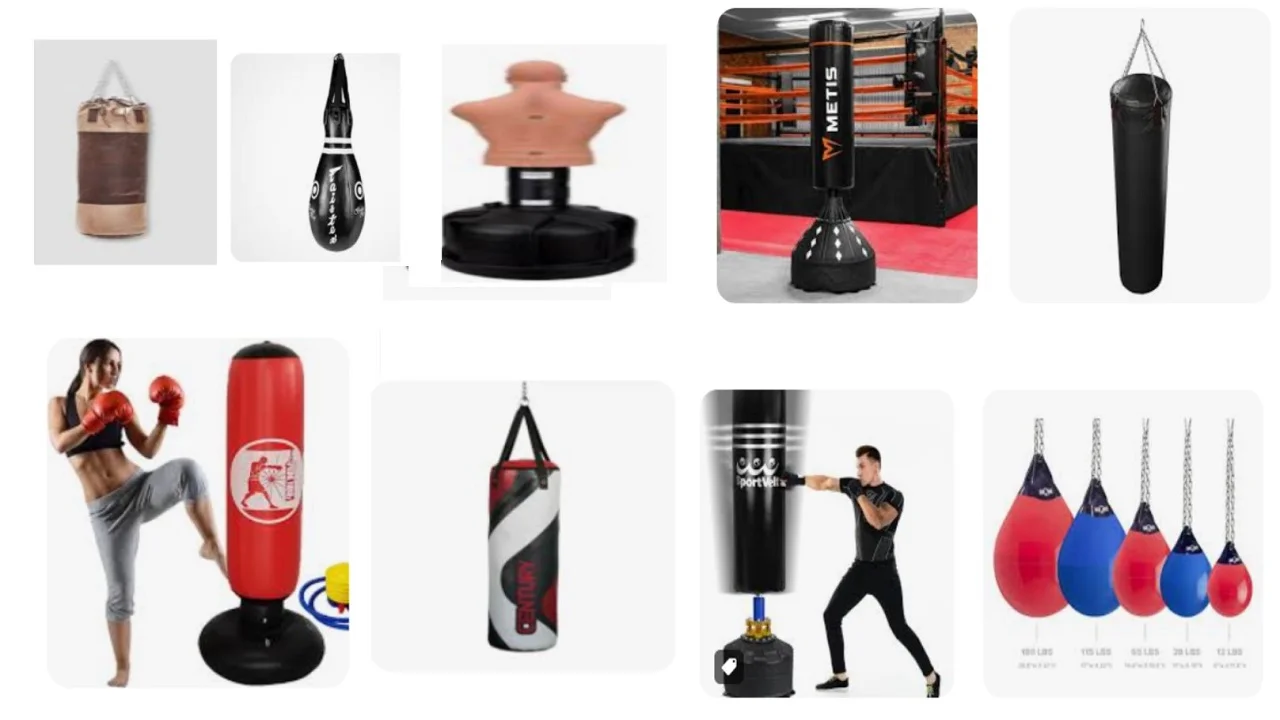
Best Punching Bag for Beginners: Types, Weights, and How to Choose the Right One
If you’re a total beginner, choosing your first punching bag can feel overwhelming. There are heavy bags, freestanding models, water-filled bags, double-end bags, speed bags, and body opponent bags. Each one claims to be “best.”
But what actually is the best punching bag for beginners?
The answer depends on three things:
- Your experience level
- Your training goal
- Your available space
This guide focuses only on helping beginners choose the right type of punching bag. No advanced theory. No unnecessary distractions. Just practical clarity.
Best Overall Punching Bags for Beginners
| Punching Bag | Type | Best For | Click for Details👇 |
|---|---|---|---|
| FITVEN Freestanding Punching Bag (70″) | Freestanding heavy bag | Best beginner option that doesn’t require ceiling installation | FITVEN freestanding punching bag for beginners |
| Heavy Freestanding Punching Bag (70″) with Gloves & Stand (YORWHIN style) | Freestanding punching bag | Beginner home training with included gloves | Heavy punching Bag 70″ |
| Vobab Standing Punching Bag for Adults (70″) | Freestanding bag with stand | Budget-friendly freestanding option | Vobab Standing Punching Bag for Beginners |
| Everlast Single Station Heavy Bag Kit | Freestanding heavy bag with stand | Great all-around beginner choice with stand and bag included | Everlast Single Station Heavy Bag Kit |
| Ringside Powerhide Punching Bag | Hanging heavy bag | Classic heavy bag option for more serious beginner training | Ringside Powerhide punching bag for beginners |
| Aqua Training Bag | Water-filled bag | Softer impact — good for beginners with joint concerns | Aqua punching bag for beginners |
| Combat Sports Muay Thai Heavy Bag | Heavy hanging bag | Longer heavy bag, good if you want kicks and strikes | Combat Sport heavy bag for Muay Thai beginners |
| BoxerPoint Double End Bag | Double-end bag | Speed & accuracy training (supplemental option) | BoxerPoint Double End Bag for Beginners |
What Is the Best Punching Bag Type for Beginners?
For most beginners, the best punching bag type is a 70–100 lb heavy hanging bag.
Why?
Because it:
- Provides realistic resistance
- Helps develop proper punching mechanics
- Builds strength and conditioning
- Works for both boxing and kickboxing
However, not every beginner can install a hanging bag. In that case, a high-quality freestanding punching bag becomes the best alternative.
Let’s break down each beginner-friendly punching bag type and when it makes sense.
Heavy Hanging Bags: The Most Recommended Option for Beginners
When people ask, “What type of punching bag is best for beginners?” the heavy bag is almost always the answer.
Why Heavy Bags Are Ideal for Beginners
A heavy bag:
- Absorbs impact safely
- Forces proper technique
- Builds punching endurance
- Develops power gradually
Unlike smaller or reactive bags, heavy bags allow beginners to focus on learning basic punches without chasing a moving target.
What Weight Heavy Bag Is Best for Beginners?
Weight matters more than most beginners realize.
General Guidelines:
- Smaller beginners → around 70 lb
- Average adults → 70–100 lb
- Larger beginners → closer to 100 lb
A bag that is too light will swing excessively.
A bag that is too heavy may strain your wrists.
For most adults starting out, a 70 lb heavy bag is sufficient. If you’re heavier or naturally strong, a 100 lb bag offers better resistance.
Best Heavy Bag Size for Beginners
- 4–5 ft bag → Best for boxing
- 5–6 ft bag → Better for kickboxing and low strikes
If you’re only punching, 4–5 feet is perfect.
If you plan to kick, choose a longer bag.
Best Freestanding Punching Bag for Beginners
Not everyone can drill into ceilings. That’s where freestanding punching bags shine.
When a Freestanding Bag Is Better for Beginners
Choose a freestanding punching bag if:
- You live in an apartment
- You rent your home
- You don’t want installation hassle
- You need portability
Freestanding bags have a base filled with water or sand and a padded striking column.
Are Freestanding Bags Good for Beginners?
Yes — especially for:
- Fitness-focused beginners
- Casual home workouts
- Cardio boxing
However, they are slightly less stable than hanging bags and may shift during hard strikes.
If convenience is your top priority, a stable freestanding bag is one of the best punching bags for beginners training at home.
Are Water-Filled Punching Bags Good for Beginners?
Water-filled (aqua) bags are growing in popularity among beginners.
Why Beginners Like Water Bags
- Softer on the joints
- More natural impact feel
- Less vibration transfer
- Easy to drain and move
If you are concerned about wrist pain or joint stress, a water-filled punching bag may be the best beginner option for comfort.
They are particularly useful in apartments where noise reduction matters.
Are Speed Bags Good for Beginners?
Speed bags improve rhythm and coordination. But are they the best punching bag for beginners?
Not as your primary bag.
Speed bags:
- Don’t build power
- Don’t offer resistance
- Require coordination first
They are excellent supplementary tools, but beginners should first develop basic punching form on a heavy or freestanding bag.
Are Double-End Bags Good for Beginners?
Double-end bags improve:
- Timing
- Accuracy
- Reflexes
But they move quickly and can feel frustrating for total beginners.
They are better introduced after learning:
- Basic jab
- Cross
- Hook
- Defensive positioning
For a first punching bag purchase, a heavy or freestanding bag is more beginner-friendly.
Best Punching Bag for Beginners Training at Home
If you are specifically searching for the best punching bag for beginners at home, your choice depends on space and installation.
If You Can Mount a Bag:
Choose a 70–100 lb heavy bag.
If You Cannot Mount:
Choose a high-quality freestanding bag with a stable base.
If Noise Is a Concern:
Consider a water-filled punching bag.
Home training requires balancing practicality with performance.
How Heavy Should a Beginner Punching Bag Be?
One of the most common beginner questions is:
“Is a 100-pound punching bag too heavy?”
The answer depends on your body weight and strength.
Simple Beginner Rule:
Your punching bag should be about half your body weight.
This prevents:
- Excessive swinging
- Joint strain
- Uncontrolled movement
Too light → frustrating and unrealistic.
Too heavy → hard on wrists.
For most beginners, 70–100 pounds is the safe range.
What Size Punching Bag Is Best for Beginners?
Size refers to length.
4-Foot Bag
- Compact
- Good for punching only
- Ideal for small spaces
5–6 Foot Bag
- Allows kicks
- More versatile
- Better long-term investment
If you plan to progress beyond basic punches, a longer bag is usually better.
Hanging vs Freestanding: Which Is Better for Beginners?
This is one of the most searched beginner questions.
Hanging Punching Bags
Pros:
- Realistic swing
- Better for power training
- Gym-style experience
Cons:
- Installation required
- Not renter-friendly
- Requires ceiling strength
Freestanding Punching Bags
Pros:
- No mounting needed
- Easy setup
- Portable
Cons:
- Less realistic movement
- Can shift during heavy strikes
For pure performance, hanging bags are better.
For convenience, freestanding bags win.
The best punching bag for beginners is the one you can consistently train with.
Best Punching Bag Weight for Beginners Based on Goals
Your goal matters.
For Fitness & Cardio Beginners
- 70 lb heavy bag
- Or freestanding bag
Focus: endurance and calorie burn.
For Skill Development Beginners
- 70–100 lb heavy bag
Focus: form, power, technique.
For Joint-Friendly Training
- Water-filled bag
Focus: comfort and reduced strain.
Essential Gear for Beginners Using a Punching Bag
Even the best punching bag for beginners will cause injury without proper gear.
Boxing Gloves for Beginners
Use bag gloves in the 12–16 oz range.
Gloves:
- Protect knuckles
- Stabilize wrists
- Reduce impact shock
Never hit a heavy bag bare-knuckle.
Hand Wraps
Hand wraps are crucial because they:
- Support wrist alignment
- Protect small hand bones
- Prevent long-term injury
Skipping wraps is one of the most common beginner mistakes.
Common Beginner Mistakes When Buying a Punching Bag
Avoid these:
- Buying a bag that’s too light
- Choosing based on price only
- Ignoring mounting requirements
- Skipping gloves and wraps
- Buying oversized bags for small spaces
The best punching bag for beginners is practical, stable, and suited to your environment.
Is a Home Punching Bag Worth It for Beginners?
If you plan to train at least 3 times per week, yes.
A home punching bag:
- Saves gym commute time
- Allows consistent practice
- Builds discipline
For occasional use, gym access may be more economical.
Consistency is what makes a punching bag valuable — not the brand name.
Final Verdict: What Is the Best Punching Bag for Beginners?
For most beginners:
Best Overall Type:
A 70–100 lb heavy hanging bag.
Best No-Drill Option:
A stable freestanding punching bag.
Best Joint-Friendly Option:
A water-filled punching bag.
Start simple. Focus on form. Train consistently.
The best punching bag for beginners is not the most advanced one — it’s the one that helps you build proper fundamentals safely and effectively. Check our complete punching bag guide.
So,
Choose the right type, match the correct weight to your body, and prioritize quality over aesthetics.
Once your foundation is strong, everything else becomes easier.